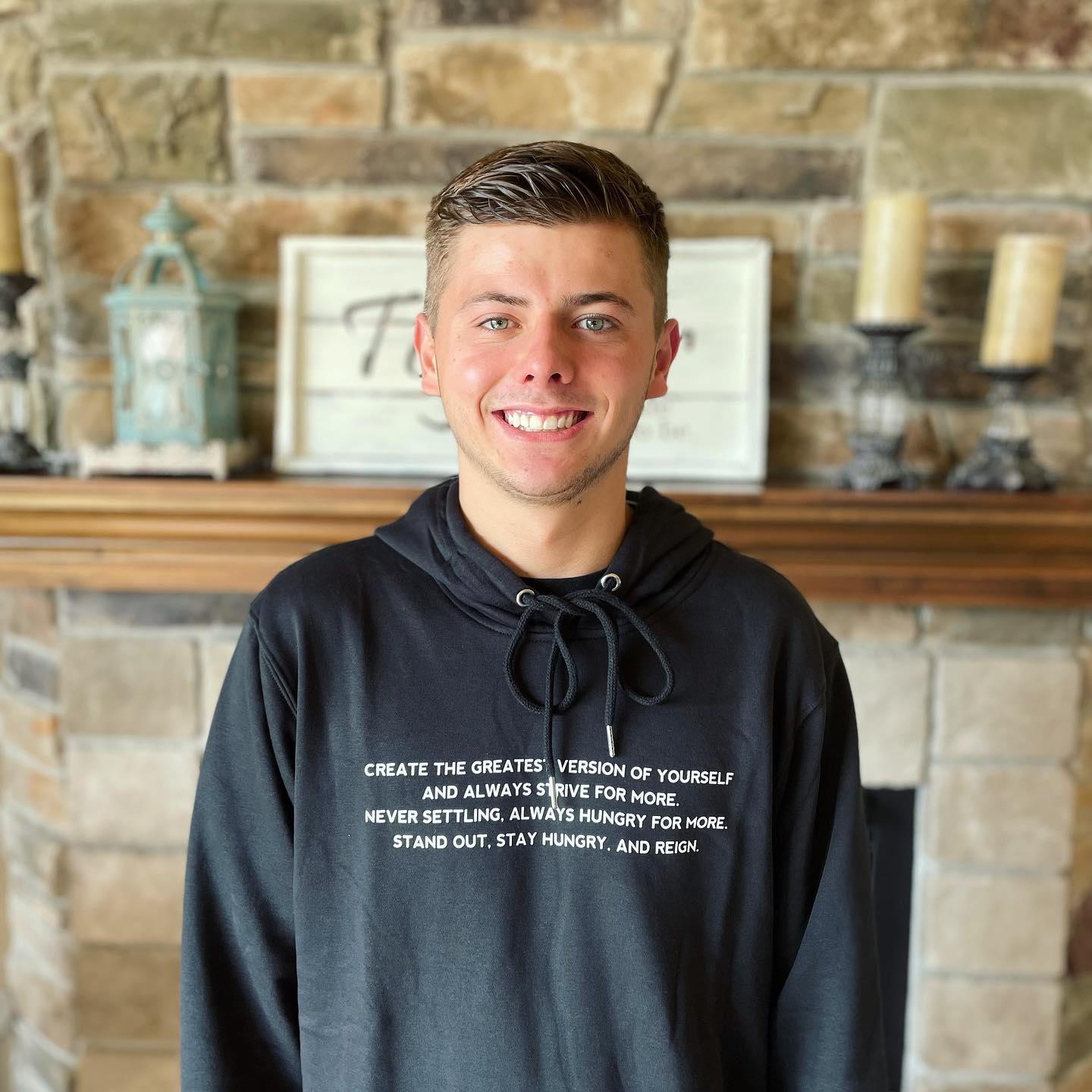
Angie Lion on the Encourage Mindset Podcast: Is Compassion Really the Key to a Better Mindset?

Angie Lion and her husband co-own Black River Performance Management, a consulting business built around a simple belief: work should fuel the human spirit, not drain it. In this episode of the Encourage Mindset Podcast, Angie joins host Ethan Van De Hey to explore whether compassion is truly the key to a better mindset — and why small, intentional acts of kindness might be the most powerful thing you can do for yourself and the people around you.

Watch the Full Episode with Angie Lion

From Marketing to Human Behavior

Angie’s career started in marketing, but she quickly realized her real fascination was with people — how they show up, what motivates them, and what holds them back. That curiosity led her back to school to earn a master’s degree in human resource development, focusing on the behavioral side of the field rather than the compliance side. Her studies centered on how to motivate employees, keep them engaged, attract talent, and create cultures where people can reveal their strengths.

In 2020, right as the pandemic hit, Angie left her corporate role to pursue consulting full-time. Through Black River Performance Management, she and her husband now work with organizations on leadership academies, retreats, facilitation, and executive coaching. She also works individually with people navigating major life transitions, helping them find clarity and direction when everything feels uncertain.

Why Compassion Matters More Than Ever

Angie brings hard data to the conversation about why compassion is not just a nice idea but a genuine necessity. She cites statistics showing that twenty to thirty percent of Americans are experiencing depression, and references Surgeon General Vivek Murthy’s work highlighting that one in two Americans is suffering from loneliness — with rates even higher among younger people. She connects the dots between loneliness, mental health decline, increased inflammatory response, and even rising workplace suicides.

When people are suffering at this scale, Angie explains, they become emotionally hijacked. They cannot show up as their best selves at work, in relationships, or in their communities. That is where compassion becomes critical — not just for the people receiving it, but for the people offering it. Practicing compassion rewires how you engage with the world and creates a ripple effect that extends far beyond any single interaction.

The Best Version of You — Pause and Ask

One of the most practical takeaways from the episode is Angie’s recommendation to build a simple habit: pause before acting and ask yourself a question. What would the best version of me do in this situation? That single moment of reflection, she says, can completely change how you respond to a frustrating coworker, a struggling stranger, or even your own inner critic.

Angie gives a vivid example. Imagine seeing a homeless person on the side of the street. You could ignore them and move on, or you could choose to act with compassion — whether that means giving them money, making small care bags with water, gift cards, and toiletries to keep in your car, or simply making eye contact and wishing them a good day. The point is not the size of the gesture but the intentionality behind it.

Envy, Comparison, and the Case for a Social Media Sabbatical

Angie gets direct when the conversation turns to envy and comparison. She calls comparison the thief of joy and points out that envy is one of the seven deadly sins that is not even fun. When you are caught in a cycle of comparing yourself to others — scrolling through social media, wishing you had what someone else has — it drains your ability to feel compassion for yourself or anyone else.

Her advice is practical: notice when you are feeling envious without beating yourself up about it, and then take action to break the cycle. That might mean unfollowing certain accounts, taking a social media sabbatical, or doing something as simple as leaving your phone at home and going to the grocery store where you can actually look someone in the eyes and have a real conversation. These small acts of disconnection from the digital world, Angie says, reconnect you with the human one.

Solitude Is Not Loneliness

Angie draws an important distinction between solitude and loneliness. Loneliness is the unchosen experience of feeling disconnected. Solitude is the intentional choice to be alone so you can reflect, journal, unplug from electronics, and get away from the noise. She encourages listeners to carve out time for real solitude — not as isolation, but as a deliberate practice of checking in with yourself, processing what is happening in your life, and creating the mental space to show up better for the people around you.

Connect with the Encourage Mindset Podcast

Want more conversations about compassion, leadership, and building a mindset that serves both you and the people around you? Subscribe to the Encourage Mindset Podcast on YouTube for new episodes every week.

Related Episodes You Might Enjoy

If you enjoyed this conversation, check out these related episodes from the Encourage Mindset Podcast:

This episode is also featured in:

Leave a Comment

Your email address will not be published. Required fields are marked *

Scroll to Top