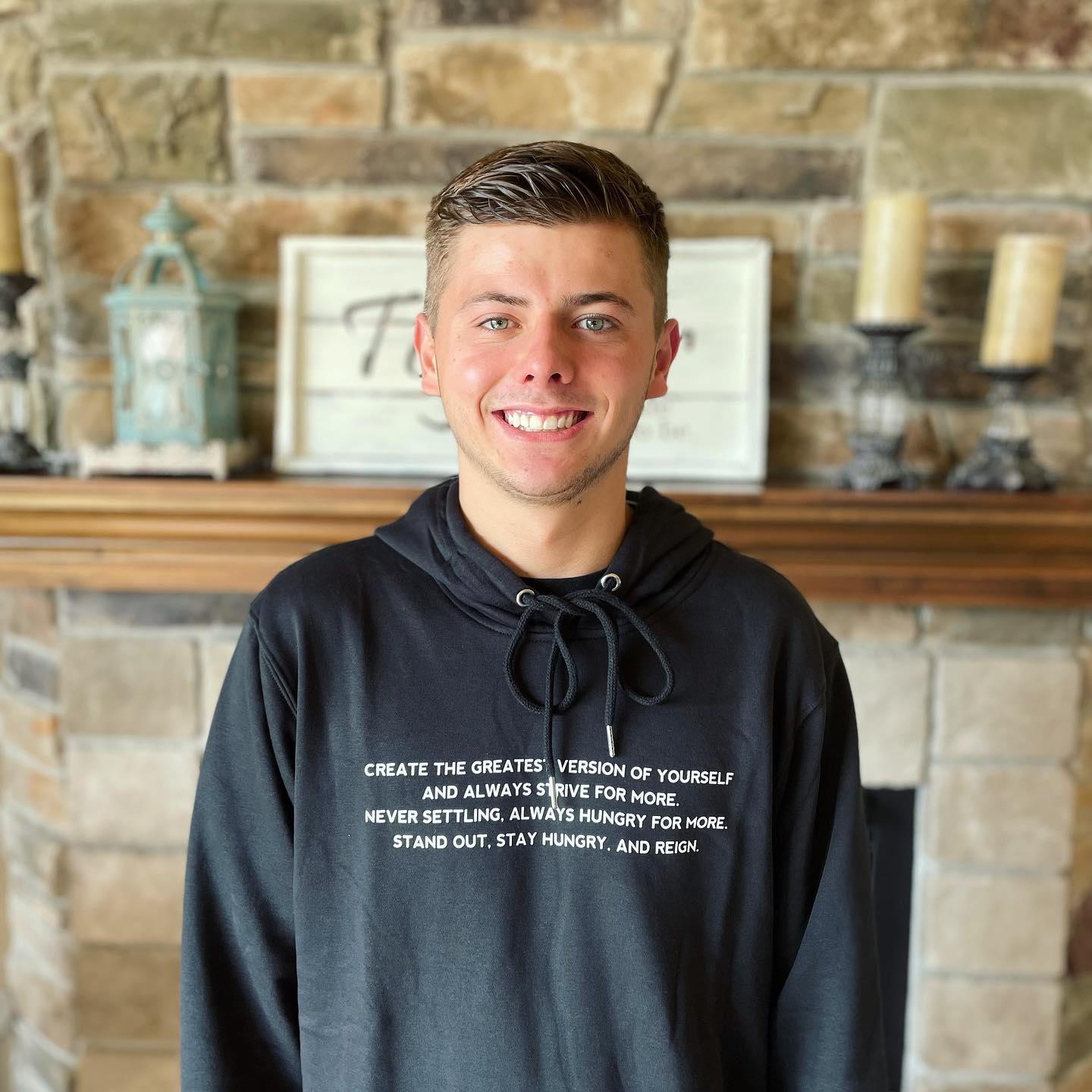
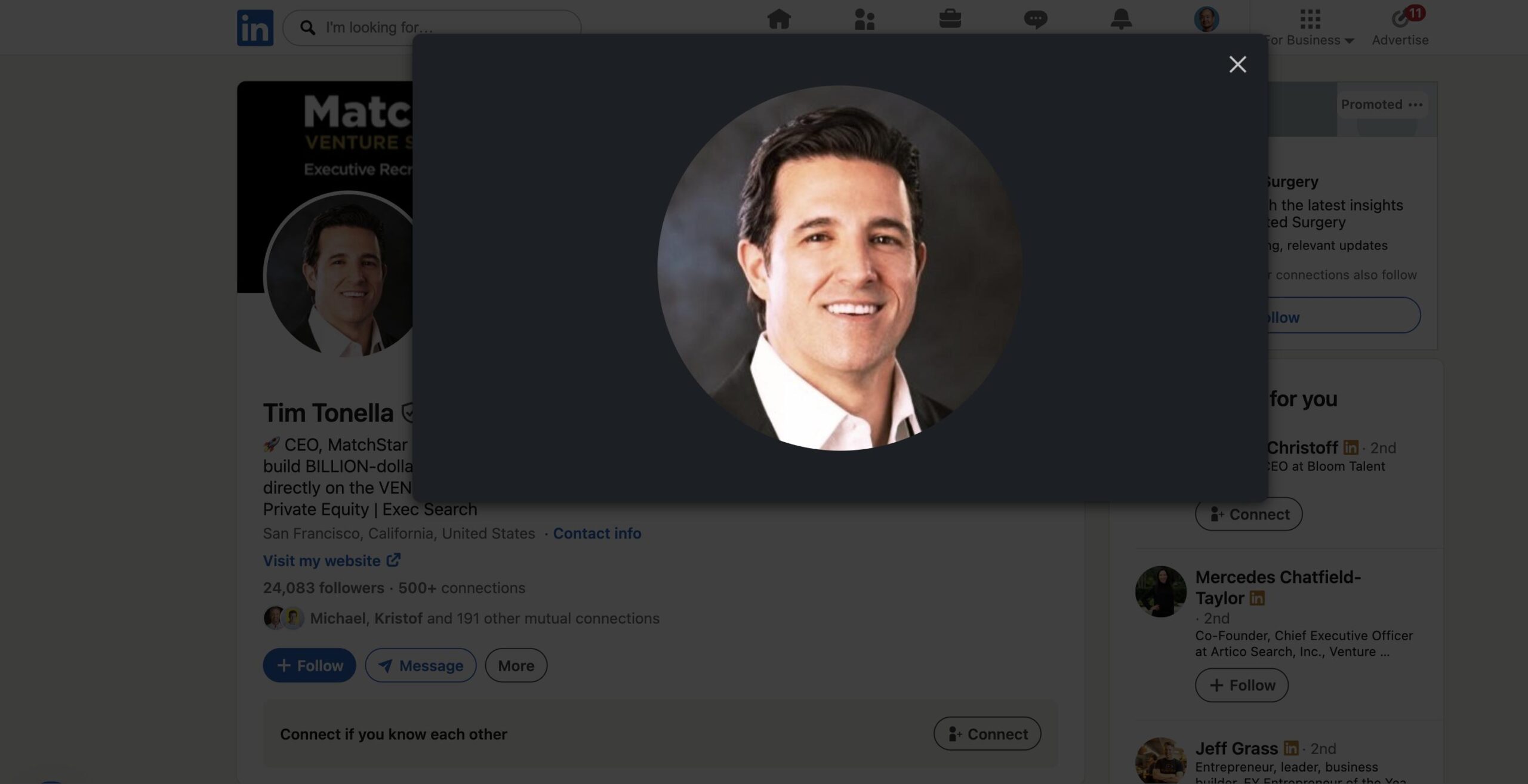
Aaron Mikulsky spent twenty-six years in corporate America before stepping away to focus on what he does best: helping people become better leaders, better thinkers, and more effective in their lives. As CEO of L2 Consulting and a best-selling author, Aaron brings decades of real-world experience to everything he teaches. In this episode of the Encourage Mindset Podcast, Aaron joins host Ethan Van De Hey to talk about knowing yourself, servant leadership, and why the most difficult moments in life are usually the ones that matter most.
Watch the Full Episode with Aaron Mikulsky
From Corporate America to Executive Coaching
Aaron did not rush into coaching. He spent twenty-six years working in corporate America across various roles, absorbing lessons about leadership, culture, and organizational strategy from the inside. When he finally made the decision to retire from the corporate world, it was to focus entirely on what had become his real passion — helping individuals and organizations reach their potential through executive coaching and management consulting.
Through L2 Consulting, Aaron now works with leaders on strategy development and implementation, leadership development, and creating cultures that are more innovative and creative. His approach is grounded in the real experiences he accumulated over nearly three decades, not just theory.
Know Thyself — The Foundation of Everything
Aaron has written two books on personal development and motivation, and a significant portion of his first book is dedicated to what he calls knowing thyself. He walks readers through exercises that help them identify their core values, examine their beliefs, understand their strengths, and define what success actually means to them personally. Everyone defines success differently, he explains, and until you do that inner work, you are building your life on someone else’s definition.
His second book covers overlapping themes but also shows how his own thinking has evolved over time. Aaron finds it fascinating to look back at what he wrote years ago and see both how much has stayed the same and how much has shifted. That evolution, he says, is exactly the kind of growth he encourages in the people he coaches.
Count Your Blessings — and Make Them Count
One of the most memorable moments in the episode comes when Aaron shares advice his mother gave him: count your blessings, but also make your blessings count. That second part, he explains, is the essence of servant leadership. Everyone has been given unique strengths and innate talents, but the real measure of a person is what they do with those gifts. Do they hoard them for personal gain, or do they use them to lift up the people around them?
Aaron asks listeners to think about what kind of legacy they want to leave. Are people going to remember you as someone who genuinely cared about the people you led, or as someone who manipulated their way to the top and threw others under the bus? That question, he says, should guide every decision you make as a leader.
Lean, Six Sigma, and Becoming a Better Thinker
Aaron reveals an unexpected influence on his personal development: process improvement methodologies like Lean and Six Sigma. During his corporate career, he went through extensive training in using voice-of-the-customer data and statistical analysis to make better business decisions. What surprised him was how effectively those same frameworks could be applied to his personal life.
After going through that training, Aaron describes himself as a fundamentally better thinker and problem solver. The methodologies gave him additional tools for the toolbox — not just tactical skills, but a more innovative and systematic way of approaching any challenge, whether it was a work project or a personal decision.
Failure as the Greatest Teacher
Aaron is passionate about reframing failure. He describes a cycle that every successful person goes through: fail, learn, adjust, try again, fail again, learn again. The people who achieve the most, he says, are not the ones who avoid failure — they are the ones who treat every setback as a learning opportunity and refuse to stop iterating.
He points to Viktor Frankl’s Man’s Search for Meaning as a book he believes should be required reading for everyone. Frankl survived the Holocaust — a situation of almost unimaginable adversity — yet maintained hope, purpose, and a relentless focus on growth and progress. Aaron uses that example to illustrate a broader truth: the easiest things in life are rarely the ones we remember. It is the extremely difficult moments, the ones where we did not even know where to start, that shape us the most.
Building a Culture of Excellence
Aaron connects his leadership philosophy to organizational culture, arguing that when you hold everyone — including yourself — to the same high standard, you naturally build a culture of excellence. It is not about micromanaging or demanding perfection. It is about setting a bar, modeling what it looks like to meet that bar, and then supporting your team in getting there. When that consistency exists from the top down, Aaron says, people rise to the occasion.
Connect with the Encourage Mindset Podcast
Want more conversations about leadership, personal development, and building a mindset that drives lasting growth? Subscribe to the Encourage Mindset Podcast on YouTube for new episodes every week.
Related Episodes You Might Enjoy
If you enjoyed this conversation, check out these related episodes from the Encourage Mindset Podcast:
- Andrew Wolfram: Innovation and Forward Thinking
- Ronen Wasserman: Lead Like It’s 2030: Human-First Teams in an AI World
- Matt LeBris: Turn Failure into Fuel for Success
This episode is also featured in: